


On February 10th, 2026, for the first time, contributors for Cùra Guardian from across the world, stretching from the Rocky Mountains, USA right across to Japan, came together online. It was a truly inspirational occasion given each contributor represents an extensive network reaching into communities that rarely come together in this way. The following speeches and presentations are taken from the transcript of the event.
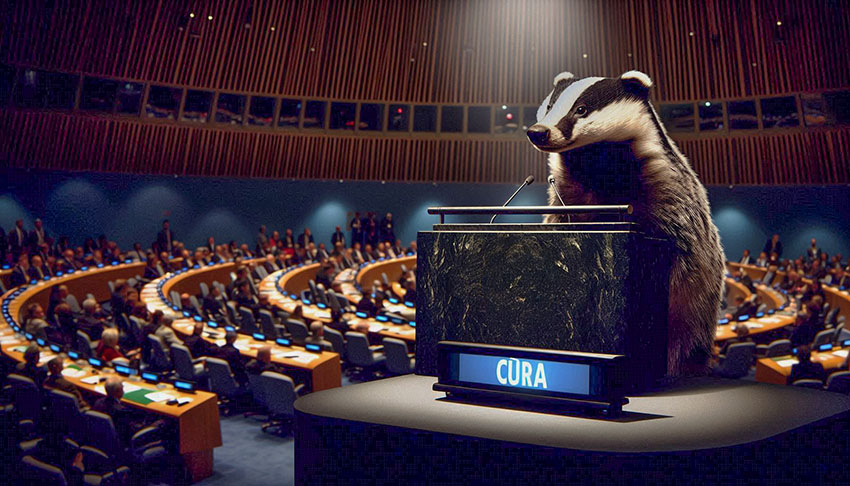
Dr Gari Donn, Director of UNA Scotland, opened the event. She said:
‘On behalf of United Nations Association Scotland, I welcome you to Cùra Guardian. Over the next hour or so, we will hear from amazing people about their wonderful stories and projects that resonate across borders, continents and reach out to each other all over the world.I’m delighted to introduce from Kenya – Chelsea, Collins, Emmanuel and Steven. From Montana, Bill Snell and Ada Bends, from Alabama, Donna Beisel, from Queensland, Don Rowlands and Hana Shono from Japan. Hana was, until quite recently, with us in Scotland and has now returned to Japan.
I thank all of you for your attendance, especially as for some, it’s the early morning on Wednesday and for others, it’s the early morning on Tuesday. We are global here, which is just amazing. And I give special thanks, especially to the one person who is not here today, unfortunately, Nick Sidle, who came up with this concept and whose photos and illustrations you will see in every story, forming the foundation of Cùra Guardian. They are just magnificent and it’s such a pity he couldn’t be here with us today.
Now may I ask Councillor Kate Willis, Chair of the Highland Council Climate Change Committee, to say a few words of welcome.’
Cllr Kate Willis said:
‘It is fantastic to see everyone from around the world on this call. It’s absolutely amazing. I live in Scotland which sadly is one of the most nature-depleted countries on the planet. Scotland is ranked in the bottom 10% of countries for biodiversity intactness, coming in at 212 out of 240 countries. I grew up in New Zealand, which is another nature depleted country. It’s ranked 123. And I have also lived in Tasmania, where biodiversity is relatively intact, and where the modern environmental movement and the world’s first Green Party began in the early 70s with the fight to save the Franklin-Gordon rivers and the wildland area from a massive hydro scheme, and where today 74% of the land is still covered with native vegetation. It is rich with wildlife, although the fight still continues to keep it this way.
So Scotland, New Zealand and Tasmania have a few things in common. Notably, their indigenous cultures were all but eradicated by European settlers. The culture of the Polynesian Maori in New Zealand, or Aotearoa, the Aborigine, Palawa in Tasmania, or Lutruwita, and the Gaels in Scotland, were all but obliterated by the English culture and language hanging on by a thread.
The loss of indigenous culture, language and stories disconnects people from the land and the natural world.Without this connection, people do not know what they are missing and therefore what needs to be protected and restored.
So at the last Highland Council Climate Change Committee meeting a few weeks ago, we had young people from the Highland Youth Parliament who came and joined us and presented their concerns and priorities to tackle the climate and nature crises. They said, climate change is leading to a loss of identity, because our identity in the Highlands is so connected to the landscape. These are powerful words and words that need to be heard.
As a hillwalker, I spend a lot of time looking at maps, and in Scotland, Gaelic names show the historical importance of and connection to the natural world and illustrate what has been lost over the centuries. Many place names refer to wooded, watery or rocky land and the animals that inhabited that land, such as wolves, foxes, wildcat, pine marten, bear, eagles, raven, wild boar, deer, badger, and so on. But when I’m out walking in the Scottish hills, apart from deer, the occasional raven and even more rarely an eagle, I don’t see much else. The views might be great, but the land is empty and silent.
This is a very different experience from walking in forested Tasmania. Scottish Gaelic is making a comeback in the Highlands, as is Maori in Arotearoa and Lutruwita. The Palawa are also starting to regain their identity and culture and reconnect with the natural world and to share their knowledge with others.
With the revival of indigenous culture and knowledge, perhaps it’s looking perhaps more positive for climate and nature restoration in these countries.
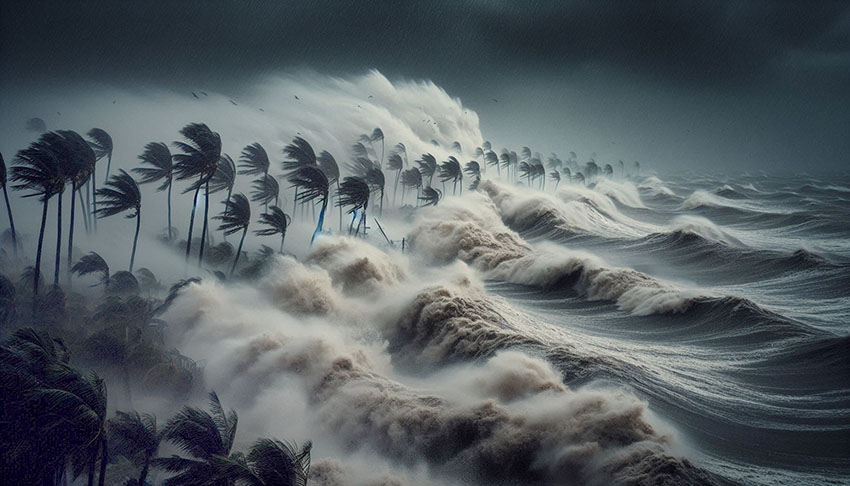
Climate change and biodiversity loss is global and does not respect borders. All cultures and backgrounds need to work together to share knowledge and to inspire others through their stories, to care and have an interest in the natural environment.
There are cultures which understand the importance of balance in living in harmony with nature rather than exploiting it. And this is reflected in the stories that are told. Now is the time for us to be aware of other ways of seeing the world and sharing knowledge in good practice.
Cùra Guardian is connecting people from different cultures and backgrounds from around the world. It is making the science more accessible, building bridges across cultures and bringing to light little known histories which are important in the context of the natural world today.
So at this event this evening, we will be hearing stories which have already been contributed to Cùra Guardian or are about to be contributed from the Rocky Mountains, Alabama, Latin America, Kenya, India, Australia, Japan and the UK. It’s great to see some of these contributors are from indigenous communities as well as mainstream.
So I’d like to thank you all for being part of this initiative, which is bringing a new vision to an issue that is affecting us all.’
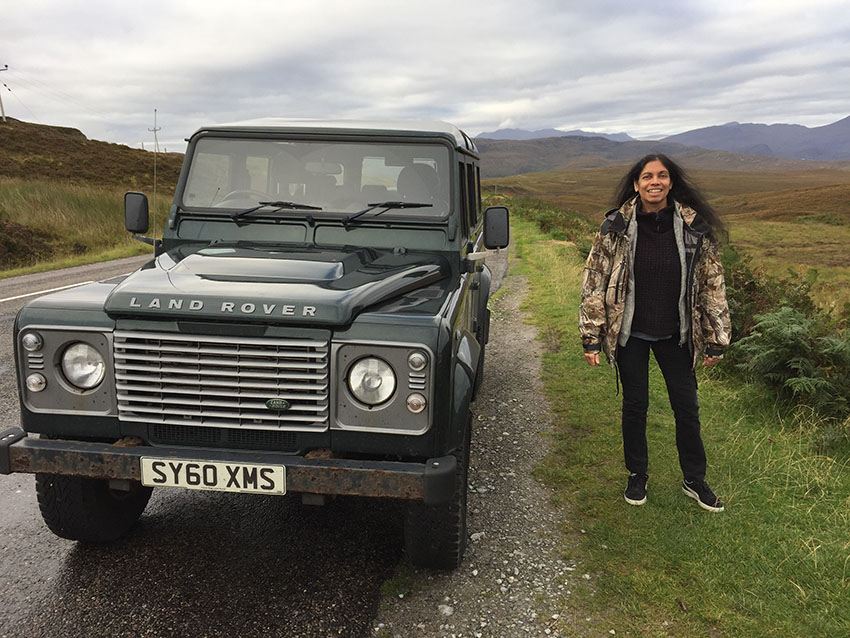
Sitakumari, Director of Heartstone, led the event from the Heartstone base in Dingwall, Highland Scotland. Here she is standing alongside her trusted Landrover which has taken her to every part of Highland and beyond to stage exhibitions, performances and events. (A much loved Landrover Defender whose place has now been taken by a Hyundai plug-in hybrid – environment must come first and age catches up with all of us!)
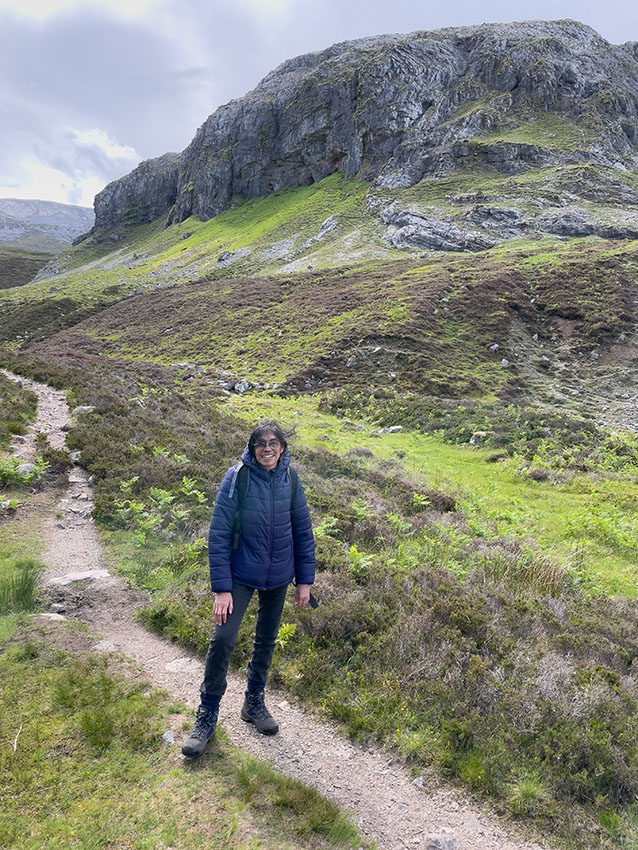
She also assists with the photoassignments by Nick Sidle when she can, which take her to some of the most spectacular and remotest parts of the Highlands, with a wealth of story connections, such as this location in Sutherland, the location of the Bone Caves, where the last mammoth in Scotland is supposed to have died and bones of post-glacial animals have been found.
She led the online event in her role as the principal dancer/storyteller for Heartstone.
Sitakumari
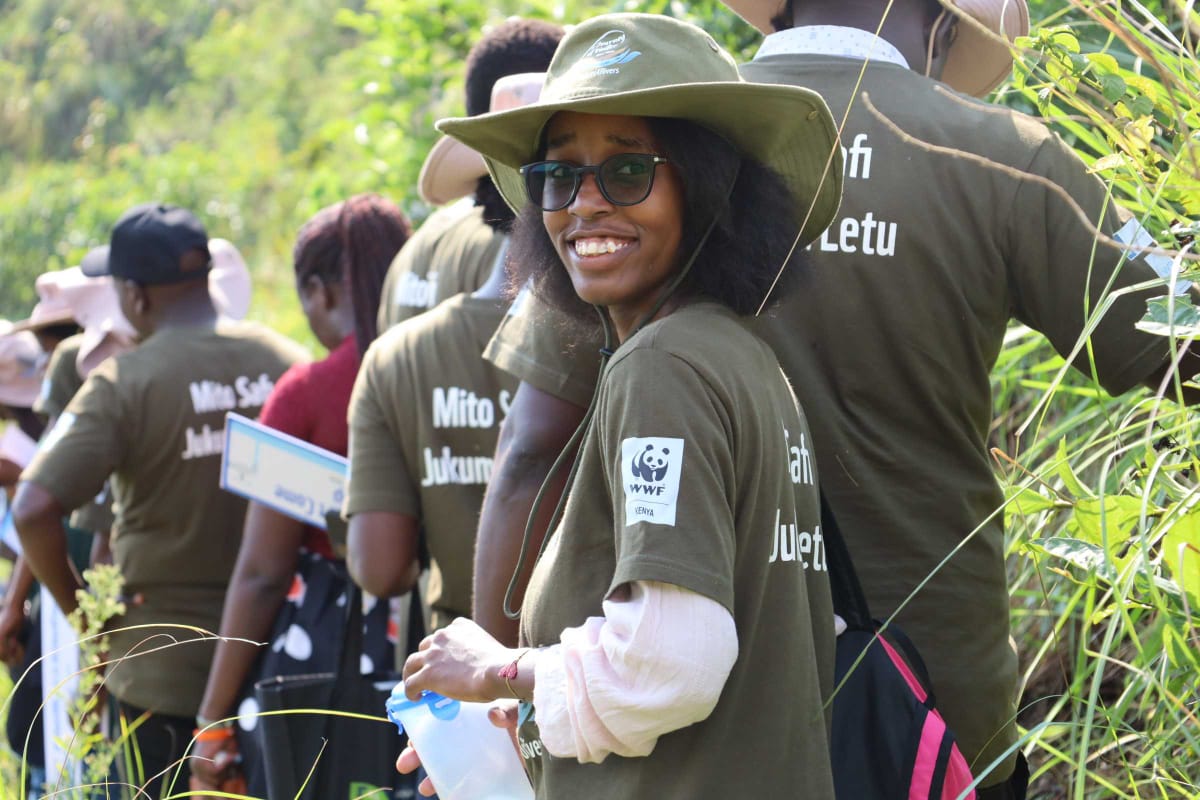
Our opening presentation is from our most recent partners in Kisumu, Kenya. Chelsea Johannes, Founder of Kulture Konnect in Kisumu, has contributed ‘Living with the Leopard’ to Cùra Guardian. Chelsea, please tell us about yourself.
Chelsea Johannes
My name is Chelsea Johannes, the founder of Kulture Konnect, which is an initiative that is supposed to bring together culture, climate, art, education and heritage to inspire change and reconnection. It’s also supposed to provide immersive experiences that foster interdisciplinary dialogues and of course build networks that connect climate, culture and mental well-being while using media and heritage across generations and geographies.
Sitakumari
So what made you choose ‘Living with the leopard’ as your contribution to Cùra Guardian?
 Chelsea Johannes
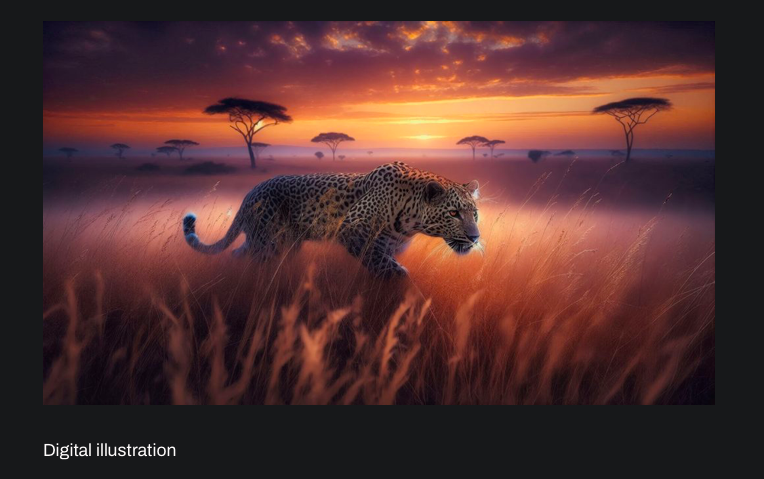
I chose to write about the leopard because it presents a unique intersection of culture in nature. And as an apex predator, the leopard embodies strength, health and adaptability, which are the qualities that mirror how communities and like the Luo, our community, the people of Western Kenya, navigate their relationship with nature. For the Luo, the leopard is a symbol of leadership through restraint. So this deep connection between culture and ecology made it a perfect story to start with for Cùra Guardian as it highlights not just the science of the leopard, but a profound cultural understanding of coexistence between humans and wildlife.
Sitakumari
Which I loved, because that is exactly what Cùra Guardian is about. It’s about the science, but also about the culture and the history. One of the things I absolutely loved about your feature story was the history you brought in and the connection with the Egyptians. Tell us a little bit about that.
Chelsea Johannes
Yes, I came across an intriguing idea where early Egyptian philosophers used
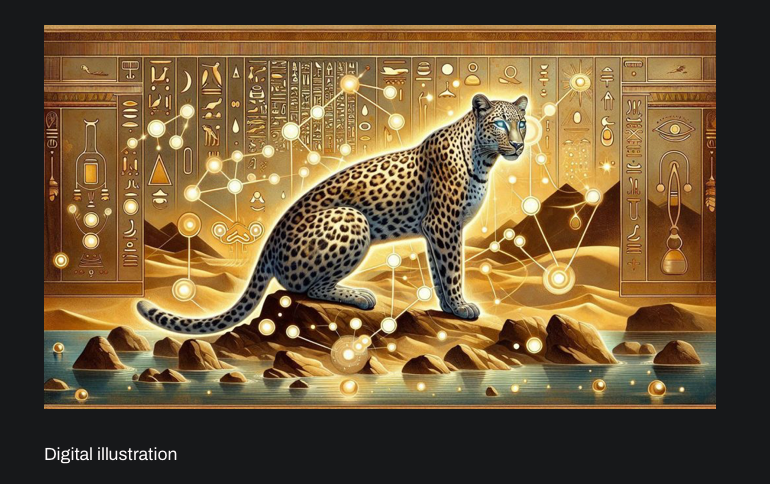
associated animals and elements of nature and the leopard in particular was linked to phosphorus, an element that doesn’t react until it’s introduced to another element like water. It’s always been known to be dormant and only reacts when it interacts in this way, much like how a leopard quietly follows its prey or observes its surroundings before reacting. So it is this quiet, observing nature that resonated with me because it aligns perfectly with how the leopard is viewed in Luo community. And we also find that in ancient Egypt, animals were used as symbols to help explain the natural world almost as a form of proto-science. So in that sense, for the locals, it wasn’t just an animal, a physical creature, but a symbolic one, reflecting deeper philosophical and natural truths. So this ancient symbolic connection helped shape my understanding of the broader significance for local people in both culture and early science.
Sitakumari
People in your community, the Luo, and other communities have learned to live with a leopard, haven’t they? They’ve adapted their lifestyle because they know when it’s out hunting. Am I right?
Chelsea Johannes
Yes, that’s right. To understand the real depth of the connection and how people have found a way to live in balance with the leopard, you will need to read the Feature Story at the link below:
https://curaearth.com/living-with-the-leopard/
Sitakumari
There is a new feature story coming from Kisumu very soon connected with 3 birds – the Quail, the Kingfisher, and the Speke’s Weaver Bird, which has an interesting connection with the colonial era in Kenya. Welcome, Collins and Emmanuel from Bright Future Kenya. Can you tell us why you chose these three birds?

Emmanuel Otieno
My name is Emmanuel Otieno from Bright Future Kenya. We deliver our programmes around Lake Victoria and so we specifically chose these three particular birds because they are found around the lake.
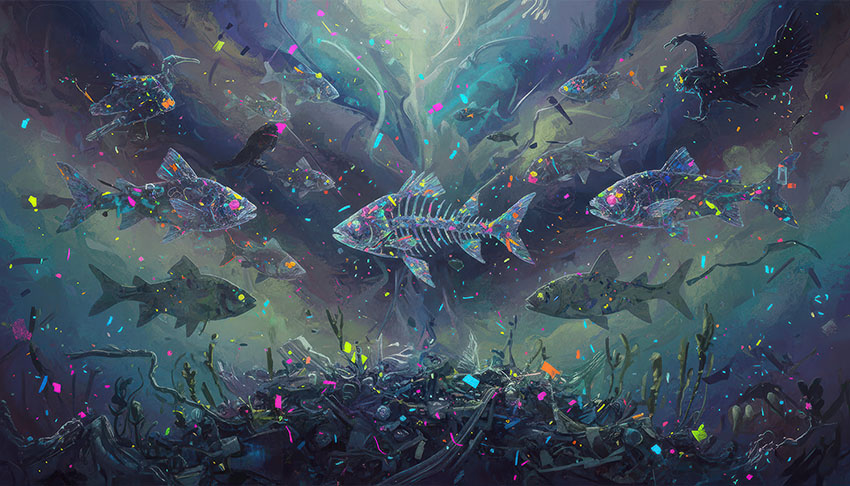
What we are addressing is the level of pollution of plastics inside the lake, which is affecting these particular birds. The reason for this is that they are ingesting the microplastics as they wade through the lake. These particular birds, and I’ll begin with the kingfisher, plays a major role in the ecosystem. One of these roles is that it controls the small fish and the aquatic invertebrates. The kingfisher also indicates the water quality and pollution levels. So imagine if the kingfisher is dead, it will be very difficult for humans too. The kingfisher can’t live in water quality that is extremely polluted with microplastics, neither can people. There is also another bird that is affected in the same way – the Speke Weaver Bird. It too absorbs the microplastics.
These birds spend most of the time around Lake Victoria.
Digital illustration
Sitakumari
Am I right that all three birds, the Speke’s Weaver Bird, the kingfisher and the quail are affected by climate change as well as pollution? Their migration patterns have been affected. Am I right?
Collins
My name is Collins. I’m also from Kenya, a co-director at Bright Future Kenya, working with Emmanuel. Our organisation actually works on SDG number 13, that is climate action.
We have been planting, nurturing and celebrating trees to combat climate change. So it is true that whatever you are asking Sita is right. The extinction of these birds has been brought by both pollution and climate change. We all know that climate change is real and all people are vulnerable to climate change disruptions. That’s why all of us, Africans and even the European countries are coming together so that we can see how to fight climate change as we work.
When I was a young, a bird like the Speke’s Weaver Bird used to wake me up very early in the morning, when I was going to school. Nowadays, they are nowhere to be seen because they have gone extinct. They have gone extinct because of these issues.
Sitakumari
At this point, I would like to introduce Steven Okoth, Director of One Vibe Africa. Welcome Steven and can you tell us what your plans are for Earth Day.
Steven Okoth
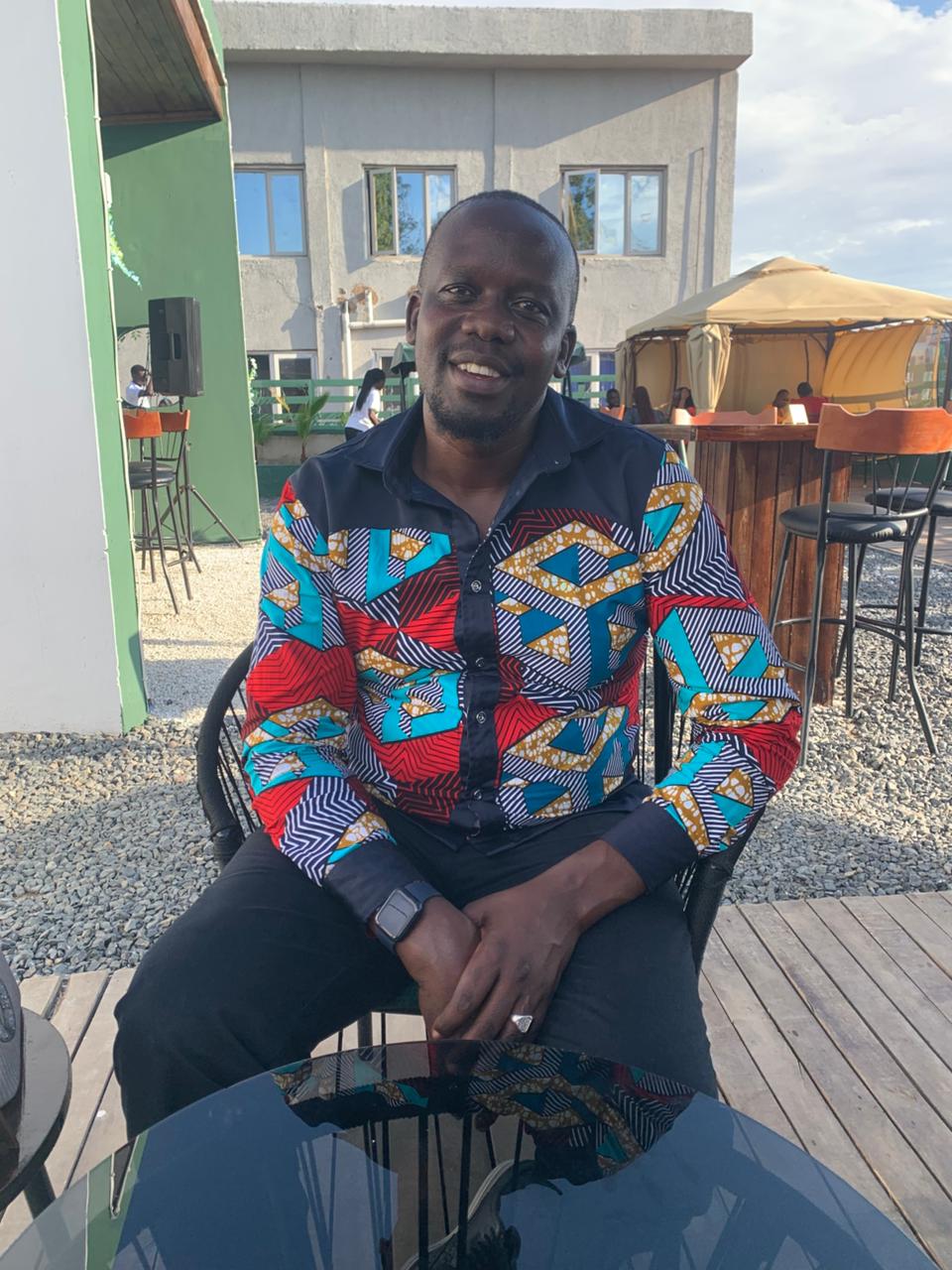
Thank you. My name is Stephen Okoth, Programmes Director, One Vibe Africa. One Vibe is also based in Kenya, and what we do is mentor youth on education, music, and programmes with a focus on environmental and climate change activism. Now, like Sita said, we’ve been championing for Earth Day and other global climate activities, environmental activities in the country for the past five years. This year’s plan, what we have to do is to resonate and connect World Earth Day’s theme to what Cùra is championing for. And our theme for this year is our power, our planet. How are we going to connect our power and our planet to water.
We want to bring murals in one of our sanctuaries in Kisumu. We have Impala Sanctuary, one of the largest in Kisumu County and also in Kenya. And what we want to do is to create talking walls. We want to create awareness because we’ve been organising one-time activities every year and after the event has come to a closure, everybody who took part, all the effort that we did to pass across the information about what we are trying to advocate for fades on that very day.
So now, we want to create something that will keep on reminding our community, will keep on reminding anybody that walks into Kisumu County on the responsibility of as responsible citizens, as responsible residents of Kisumu and as responsible guests who are visiting Kisumu, because our environment is not only affected and impacted by those who inhabit Kisumu, it’s also impacted by those who visit and come to tour Kisumu……
Sitakumari
Collins, Emmanuel, Chelsea and Steven, in Kenya, thank you very much for your input today and we look forward to seeing your plans for Earth Day take shape in the coming months.
ALL DIGITAL ILLUSTRATIONS IN THIS FEATURE: ©Nick Sidle